Source Mini Adss Fiber Optical Cable for Power, Telecom, and Sensor
Find and compare 30 mini adss fiber optical cable options for overhead power lines, telecommunications, and sensor networks. Evaluate specifications like fiber counts, tensile strength, and certifications to select the right solution for your infrastructure needs.
Key considerations
Products List




Comprehensive Sourcing Guide
Mini ADSS Fiber Optical Cable Sourcing Guide
Product Scope and Observed Listing Signals
The market for mini All-Dielectric Self-Supporting (ADSS) fiber optical cables presents a diverse range of configurations tailored for aerial deployment in communication networks. Based on observed listing signals, the product count stands at thirty distinct offerings, indicating a competitive landscape with varied structural designs. These cables are primarily engineered for overhead applications, leveraging their self-supporting nature to span distances without the need for additional support wires. The observed price range spans from $0.04 to $400 USD, reflecting significant variation in fiber count, tensile strength requirements, and manufacturing complexity. Buyers must recognize that this wide price band correlates directly with the specific technical demands of the installation site, such as span length and environmental stress factors.
A critical observation in the current listings is the prevalence of customization options, with many suppliers explicitly stating that customization is available. This flexibility allows procurement teams to tailor cable specifications to unique project requirements, such as specific fiber counts ranging from 1 to 24 cores or distinct cable core configurations. The physical attributes of these cables typically include a round wire shape and PE (Polyethylene) insulation or cover, ensuring durability against weather elements. Furthermore, the color is predominantly black, which aids in UV resistance and visibility during installation. The origin of these products is largely concentrated in Guangdong, China, a hub for telecommunications infrastructure manufacturing, which influences supply chain dynamics and lead times for international buyers.
Technical Specifications to Verify
When evaluating mini ADSS cables, the structural integrity and fiber type are paramount for ensuring long-term performance. The observed models include specific designations such as GYFFY ASU Cable and ADSS-48B1, each implying different internal architectures. Buyers should verify the fiber type, which commonly includes G652, G655, or G657 standards, as these determine the cable's suitability for single-mode transmission over varying distances. The structure often involves unitube, armored, or loose tube designs, which protect the delicate optical fibers from mechanical stress. Additionally, the presence of strength members, such as FRP (Fiber Reinforced Plastic) or dual FRP configurations, is essential for withstanding the tensile loads imposed by the cable's own weight and environmental factors like wind and ice.
Mechanical performance metrics must be rigorously checked against the project's span requirements. Listings indicate allowed tensile strengths ranging from greater than 1000N to over 10000N, with specific models citing an Rts (Rated Tensile Strength) of 4kN. The allowed span for these cables typically varies from 100m to 1000m, depending on the tensile capacity and the specific model selected. For instance, some configurations are rated for spans of exactly 100m, while others support longer distances. Buyers must also consider the allowed lateral pressure, which can range from less than 100 N/100mm to over 1000 N/100mm, ensuring the cable can withstand installation forces and potential crushing loads. The connection structure, such as SC-SC, should also be verified if pre-terminated solutions are being considered for rapid deployment.
Compliance and Safety Documentation
Certification requirements are a non-negotiable aspect of sourcing mini ADSS cables, particularly for projects involving public infrastructure or strict regulatory environments. The observed listings frequently cite a combination of certifications including RoHS, CE, CCC, UL, and VDE, alongside ISO standards such as ISO9001. These certifications indicate adherence to international quality management systems and environmental safety standards. Buyers must verify that the specific certificates provided by the supplier are valid and applicable to the exact model being purchased, as certification coverage can vary across different product lines within the same manufacturer. The presence of multiple certifications suggests a robust quality control framework, but direct validation of the certificate numbers with issuing bodies is recommended.
Standards compliance extends beyond general certifications to specific industry benchmarks that govern cable performance. Some listings reference standards such as Ieeep1222, which relates to fiber optic cable standards for power line applications, ensuring compatibility with electrical infrastructure. Other products adhere to customized standards or specific model codes like ASU 4B1.3, 6B1.3, and 12B1.3, which define the internal construction and performance criteria. It is crucial for buyers to clarify whether the supplier follows international standards, national standards, or proprietary internal standards. Understanding the standard under which the cable is manufactured helps in predicting its behavior under stress and its compatibility with existing network equipment and installation practices.
Cost Drivers and Commercial Terms
The cost of mini ADSS cables is influenced by several key factors, including the number of fiber cores, the type of strength members, and the complexity of the cable structure. The observed MOQ (Minimum Order Quantity) ranges from 1 to 24,000 units, offering flexibility for both small-scale repairs and large-scale network expansions. Buyers should note that lower MOQs may come with higher per-unit costs, while bulk orders can leverage economies of scale. The price range of $0.04 to $400 USD reflects these variations, with higher prices typically associated with cables featuring higher fiber counts, enhanced tensile strength, or specialized coatings. Understanding the cost drivers helps in budgeting accurately and negotiating effectively with suppliers.
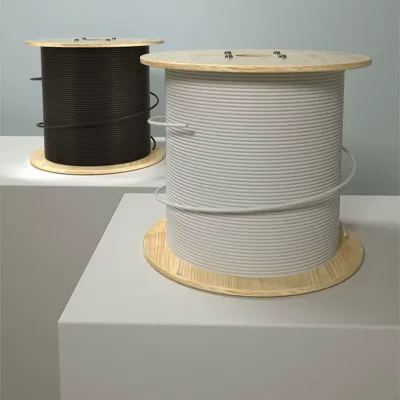
Commercial terms regarding packaging and delivery are also significant considerations. Most suppliers offer packaging in wooden drums or cartons, with some providing custom packing solutions upon request. The reel length for these cables typically ranges from 2km to 5km, which impacts logistics and handling requirements. Buyers should confirm the packing method to ensure it protects the cable during transit, especially for long-distance shipping. Additionally, the standard of measurement, often by meters, should be clarified to avoid discrepancies in billing. Clear communication regarding these commercial terms ensures a smooth procurement process and minimizes the risk of unexpected costs or logistical challenges.
Supplier Qualification and Quality Control
Selecting a reliable supplier for mini ADSS cables requires a thorough assessment of their manufacturing capabilities and quality control processes. Given that the majority of observed products originate from Guangdong, China, buyers should prioritize suppliers with established track records in exporting telecommunications infrastructure. Verification of ISO9001 certification is a baseline requirement, but buyers should also inquire about additional quality management practices, such as incoming material inspection and final product testing. The availability of OEM (Original Equipment Manufacturer) services indicates that some suppliers can produce cables under the buyer's brand, which may be relevant for large-scale projects requiring consistent branding and supply chain control.
Quality control should extend to the verification of material specifications and performance testing. Buyers should request detailed product data sheets that outline the exact materials used, such as the type of PE insulation and the composition of the strength members. It is advisable to ask for test reports that demonstrate the cable's tensile strength, lateral pressure resistance, and environmental durability. Suppliers who provide transparent access to their quality control documentation are more likely to deliver products that meet the specified standards. Establishing a clear communication channel for addressing quality issues and requesting samples before bulk orders can further mitigate risks associated with supplier performance.
Long-Term Procurement Checks
Ensuring the long-term reliability of mini ADSS cables involves monitoring their performance in the field and maintaining a robust supplier relationship. Buyers should implement a system for tracking cable performance over time, noting any issues related to signal loss, mechanical failure, or environmental degradation. This data can be invaluable for future procurement decisions, allowing buyers to identify reliable suppliers and models that have proven their durability. Regular audits of supplier quality control processes and periodic re-verification of certifications can help maintain high standards and ensure continued compliance with evolving industry regulations.
Furthermore, buyers should stay informed about advancements in fiber optic technology and cable design. The market for mini ADSS cables is dynamic, with new models and standards emerging regularly. Engaging with suppliers to discuss future needs and potential upgrades can facilitate smoother transitions to newer technologies. Maintaining a diverse supplier base can also reduce dependency on a single source and provide flexibility in responding to market fluctuations. By focusing on long-term partnerships and continuous improvement, buyers can secure a stable supply of high-quality mini ADSS cables that support the reliability and efficiency of their communication networks.
FAQs
What certifications do mini adss fiber optical cables typically have?
These cables often carry RoHS, CE, CCC, and ISO certifications. Some models also include UL and VDE approvals. Buyers should verify specific certification lists for each supplier to ensure compliance with local regulations and safety standards.
Can I request custom packaging for these optical cables?
Yes, customization is available for packaging requirements. Options include wooden drums, cartons, or other specific requests. Suppliers typically accommodate unique packing needs to suit logistics and handling preferences of the buyer.
Which fiber types are supported in these stranded cables?
The cables support G652, G655, and G657 fiber types. They are designed for overhead and communication applications. The structure is stranded with round wire shapes to ensure flexibility and durability during installation.
How is the tensile strength defined for ADSS cables?
Tensile strength varies by model, with some exceeding 10000N and others ranging between 1000N and 10000N. Specific models like ADSS-48B1 have defined ratings. Buyers must check the datasheet for the exact strength value required for their span.
What is the standard origin location for these products?
The products originate from Guangdong, China, or generally China. This location is a common hub for manufacturing these communication cables. Buyers should confirm the specific factory location when requesting samples or placing bulk orders.
Which specifications are available for the ASU cable models?
Available models include ASU 4B1.3, 6B1.3, and 12B1.3. These specifications define the fiber counts and structural arrangements. The cables are packed in wooden drums or as requested by the client for efficient transport.